
Look at the Space Above and Around Your Fixtures
When retailers want to make better use of their space, the first instinct is often to add another shelf, table, or freestanding display. That can work, but it also means adding more objects to the sales floor. Before doing that, take a look at the walls. There may be useful space going unused simply because the store layout was planned from the floor upwards.
Wall space can help separate product categories, highlight particular items, and keep merchandise visible without narrowing the main walking routes. It is especially useful in smaller shops, where every extra fixture can make the room feel tighter.
The important part is choosing what belongs on the wall and what is better left at customer level.
Give Wall Displays a Clear Job
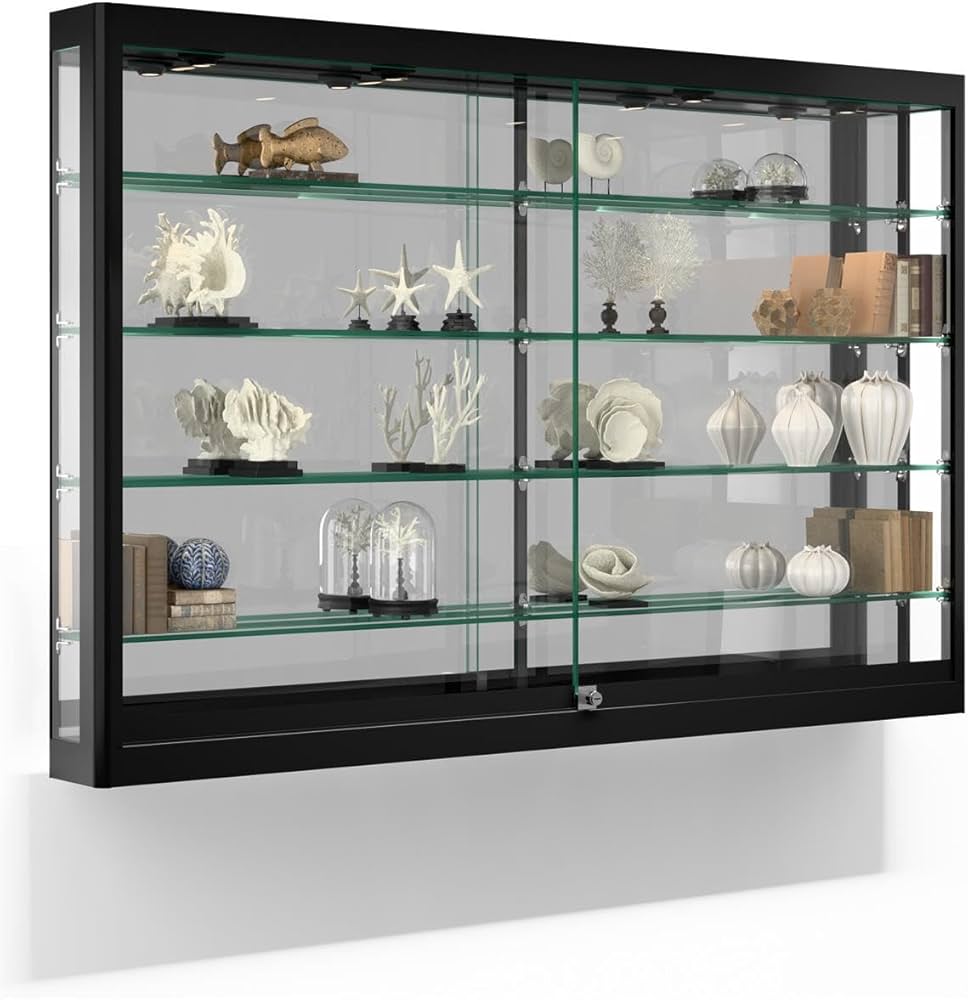
A wall display should have a reason to be there. It might showcase a small collection, protect valuable merchandise, highlight a specialist product range, or make use of an awkward section of wall that cannot accommodate a full shelving unit.
A wall mounted glass display case can work well when the products need to remain visible but should not be handled freely. Because the fixture sits off the floor, it can preserve valuable space below while giving selected merchandise its own defined area.
That does not mean every available wall needs a cabinet. Too many wall displays can make a shop feel cluttered vertically, particularly if they compete with signs, shelves, lighting, and other fixtures. A few well-positioned displays are usually easier for customers to understand than a wall covered from end to end.
Pay Attention to Height
One common mistake is mounting displays where they look right from across the room but are uncomfortable to use up close. If the products sit too high, customers may struggle to see details. Mount them too low, and nearby furniture or passing shoppers may block the view.
Consider the average customer’s standing height and the size of the items being displayed. Small products often need to be positioned where people can inspect them without stretching or crouching. Larger objects may need more vertical clearance and enough surrounding space to be seen properly.
It is also worth checking the view from different parts of the store. A display that works when someone stands directly in front of it might disappear behind a tall fixture from the main entrance.
Make Sure the Wall Can Handle It
Wall-mounted fixtures need more planning than simply finding an empty patch of wall. The wall construction, mounting hardware, cabinet weight, and weight of the merchandise all matter. Glass adds another consideration because the display needs to remain stable and secure during everyday use.
Check the mounting requirements before purchasing anything, particularly in older premises or locations with lightweight partition walls. Use appropriate fixings for the wall type and follow the manufacturer’s installation guidance. If the wall’s capacity is uncertain, get a qualified installer to assess it rather than guessing.
Leave enough room to open doors, access products, and clean the cabinet. A display that is difficult for staff to maintain will quickly become a nuisance.
Connect the Wall to the Rest of the Layout
Wall displays should work with the fixtures around them, not compete for attention. A cabinet above a low counter might create a useful product zone, while one placed behind a busy checkout could be difficult to browse properly.
Think about the customer’s route through the store and where they naturally pause. Keep the most important merchandise visible, avoid blocking signs, and make sure nearby shelves do not overwhelm the display.
Using wall space effectively is not about filling every empty area. It is about putting the right products in places where customers can see them, while keeping the floor open and the store comfortable to move through.